Buy sexy-games.eu ?
We are moving the project
sexy-games.eu .
Are you interested in purchasing the domain
sexy-games.eu ?
domain@kv-gmbh.de · 0541-91531010
Buy sexy-games.eu ?
What is the derivation of the variance decomposition of the variance?
The variance decomposition of the variance is derived from the decomposition of the total variance into its components. This decomposition helps to understand the relative contributions of different sources of variation to the total variance. By partitioning the variance into its constituent parts, such as the variance due to different factors or sources, we can quantify the amount of variability explained by each component. This decomposition is commonly used in statistical analysis to assess the importance of various factors in explaining the overall variability in a dataset. **
What is variance in mathematics?
In mathematics, variance is a measure of how much a set of numbers varies or spreads out. It is a statistical measure that indicates the extent to which data points differ from the mean (average) of the set. A high variance means that the numbers in the set are spread out over a wider range, while a low variance means that the numbers are closer to the mean. Variance is calculated by taking the average of the squared differences between each data point and the mean. **


Similar search terms for Variance
Top-Angebote
Products related to Variance:
-
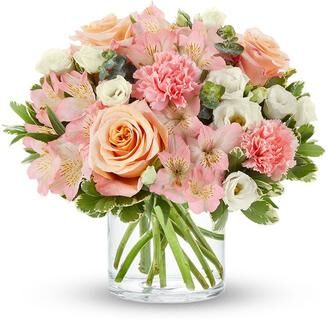
From You Flowers Flowers - Passionate PeachesA delicious bouquet with hues of pink, peach, and white with pops of green. The Peach Cobbler bouquet features peach roses, pink carnations, pink alstroemeria, and white lisianthus with floral greens. A beautiful and soft arrangement that loved ones...39,99 $*Shipping: 14,99 $Secure redirect to the provider
-
Oriflame Love Potion Sensual Ruby EDP W 50 mlOriflame Love Potion Sensual Ruby, 50 ml, Eaux de Parfum for Women, Treat your senses to a true gourmand experience. Oriflame Love Potion Sensual Ruby Eau de Parfum for women offers delicious notes that are nearly impossible to resist – especially if you love your sweets. gourmand fragrance floral fragrance brings out the sensuality in every woman suitable for everyday wear luxury fragrance for connoisseurs19,80 £*Shipping: 3,99 £Secure redirect to the provider
-
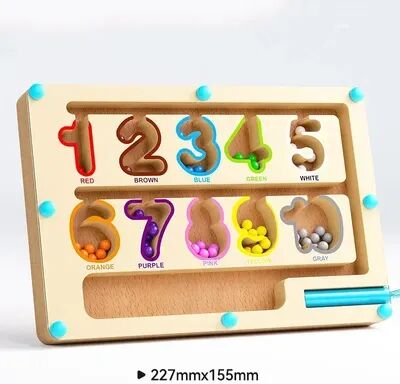
Playful Picks Montessori Magnetic Color Sorting Maze Board, Educational Wooden Bead Games For Kids dinosaurMontessori Magnetic Color Sorting Games Maze is an engaging and educational activity that helps young children develop essential cognitive and motor skills while having fun. This wooden board game is designed with vibrant colors and exciting...24,97 $*Shipping: 0,00 $Secure redirect to the provider
-
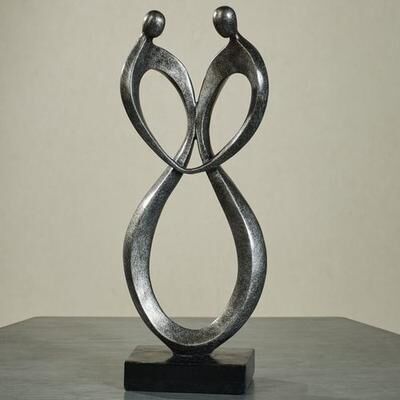
Touch of Class Passionate Dance Sculpture Silver , SilverWild and intense or slow and steady, a couple's life together can certainly be a Passionate Dance. With an abstract looped design, the silver resin sculpture resembles two people locked together atop a square base. Overall, the sculpture measures 6...79,00 $*Shipping: 15,95 $Secure redirect to the provider


-
What is the asymptotic variance?
The asymptotic variance is a measure of the variability of an estimator as the sample size approaches infinity. It represents the limit of the variance of the estimator as the sample size becomes very large. In statistical theory, it is used to assess the precision and reliability of an estimator in the long run. A smaller asymptotic variance indicates that the estimator is more efficient and provides more precise estimates as the sample size increases. **
-
What is the difference between variance and standard deviation, and why is variance needed?
Variance and standard deviation are both measures of the spread or dispersion of a set of data. The main difference between the two is that variance is the average of the squared differences from the mean, while standard deviation is the square root of the variance. Standard deviation is often preferred over variance because it is in the same units as the original data, making it easier to interpret. However, variance is still needed in statistical calculations, such as in the calculation of the standard deviation, and it provides valuable information about the variability of the data. **
-
What is variance explanation in psychology?
Variance explanation in psychology refers to the extent to which a particular variable or set of variables can account for the variability in a certain psychological phenomenon or behavior. It is a measure of how much of the variability in a particular outcome can be attributed to the variables being studied. For example, in a study on the factors influencing depression, variance explanation would indicate how much of the variability in depression scores can be explained by factors such as genetics, environment, or personality traits. Understanding the variance explanation in psychology is important for identifying the key factors that contribute to a particular psychological outcome. **
-
How do you calculate variance correctly?
Variance is calculated by finding the average of the squared differences between each data point and the mean of the data set. First, calculate the mean of the data set. Then, subtract the mean from each data point, square the result, and find the average of these squared differences. This average is the variance. The formula for variance is: variance = Σ (x - μ)² / n, where Σ represents the sum of the squared differences, x is each data point, μ is the mean, and n is the number of data points. **

How can the variance be transformed?
The variance can be transformed by applying a linear transformation to the data. This can involve multiplying each data point by a constant, adding a constant to each data point, or a combination of both. Another way to transform the variance is by applying a non-linear transformation to the data, such as taking the square root or the logarithm of the data. These transformations can help to stabilize the variance, make the data more normally distributed, or make the variance more homogeneous across different groups or levels of a factor. **
What does variance stand for in statistics?
In statistics, variance is a measure of how spread out a set of data points are from the mean. It quantifies the variability or dispersion of a dataset. A high variance indicates that the data points are spread out widely, while a low variance indicates that the data points are clustered closely around the mean. Variance is calculated by taking the average of the squared differences between each data point and the mean. **
Top-Angebote
Products related to Variance:
-
Montale Sensual Instinct EDP U 50 mlMontale Sensual Instinct, 50 ml, Eaux de Parfum unisex, New day – new opportunity to tackle more challenges. Montale Sensual Instinct unisex Eau de Parfum will refresh your mind so that you can boldly follow your instinct. Embrace your everyday adventures! unique fragrance for a unique personality unisex – suitable for both women and men74,00 £*Shipping: 3,99 £Secure redirect to the provider
-
From You Flowers Flowers - Passionate PeachesA delicious bouquet with hues of pink, peach, and white with pops of green. The Peach Cobbler bouquet features peach roses, pink carnations, pink alstroemeria, and white lisianthus with floral greens. A beautiful and soft arrangement that loved ones...39,99 $*Shipping: 14,99 $Secure redirect to the provider
-
Oriflame Love Potion Sensual Ruby EDP W 50 mlOriflame Love Potion Sensual Ruby, 50 ml, Eaux de Parfum for Women, Treat your senses to a true gourmand experience. Oriflame Love Potion Sensual Ruby Eau de Parfum for women offers delicious notes that are nearly impossible to resist – especially if you love your sweets. gourmand fragrance floral fragrance brings out the sensuality in every woman suitable for everyday wear luxury fragrance for connoisseurs19,80 £*Shipping: 3,99 £Secure redirect to the provider
-
What is the derivation of the variance decomposition of the variance?
The variance decomposition of the variance is derived from the decomposition of the total variance into its components. This decomposition helps to understand the relative contributions of different sources of variation to the total variance. By partitioning the variance into its constituent parts, such as the variance due to different factors or sources, we can quantify the amount of variability explained by each component. This decomposition is commonly used in statistical analysis to assess the importance of various factors in explaining the overall variability in a dataset. **
-
What is variance in mathematics?
In mathematics, variance is a measure of how much a set of numbers varies or spreads out. It is a statistical measure that indicates the extent to which data points differ from the mean (average) of the set. A high variance means that the numbers in the set are spread out over a wider range, while a low variance means that the numbers are closer to the mean. Variance is calculated by taking the average of the squared differences between each data point and the mean. **
-
What is the asymptotic variance?
The asymptotic variance is a measure of the variability of an estimator as the sample size approaches infinity. It represents the limit of the variance of the estimator as the sample size becomes very large. In statistical theory, it is used to assess the precision and reliability of an estimator in the long run. A smaller asymptotic variance indicates that the estimator is more efficient and provides more precise estimates as the sample size increases. **
-
What is the difference between variance and standard deviation, and why is variance needed?
Variance and standard deviation are both measures of the spread or dispersion of a set of data. The main difference between the two is that variance is the average of the squared differences from the mean, while standard deviation is the square root of the variance. Standard deviation is often preferred over variance because it is in the same units as the original data, making it easier to interpret. However, variance is still needed in statistical calculations, such as in the calculation of the standard deviation, and it provides valuable information about the variability of the data. **
Similar search terms for Variance
-
Playful Picks Montessori Magnetic Color Sorting Maze Board, Educational Wooden Bead Games For Kids dinosaurMontessori Magnetic Color Sorting Games Maze is an engaging and educational activity that helps young children develop essential cognitive and motor skills while having fun. This wooden board game is designed with vibrant colors and exciting...24,97 $*Shipping: 0,00 $Secure redirect to the provider
-
Touch of Class Passionate Dance Sculpture Silver , SilverWild and intense or slow and steady, a couple's life together can certainly be a Passionate Dance. With an abstract looped design, the silver resin sculpture resembles two people locked together atop a square base. Overall, the sculpture measures 6...79,00 $*Shipping: 15,95 $Secure redirect to the provider
-
Playful Picks Montessori Magnetic Color Sorting Maze Board, Educational Wooden Bead Games For Kids numberMontessori Magnetic Color Sorting Games Maze is an engaging and educational activity that helps young children develop essential cognitive and motor skills while having fun. This wooden board game is designed with vibrant colors and exciting...24,97 $*Shipping: 0,00 $Secure redirect to the provider
-
What is variance explanation in psychology?
Variance explanation in psychology refers to the extent to which a particular variable or set of variables can account for the variability in a certain psychological phenomenon or behavior. It is a measure of how much of the variability in a particular outcome can be attributed to the variables being studied. For example, in a study on the factors influencing depression, variance explanation would indicate how much of the variability in depression scores can be explained by factors such as genetics, environment, or personality traits. Understanding the variance explanation in psychology is important for identifying the key factors that contribute to a particular psychological outcome. **
-
How do you calculate variance correctly?
Variance is calculated by finding the average of the squared differences between each data point and the mean of the data set. First, calculate the mean of the data set. Then, subtract the mean from each data point, square the result, and find the average of these squared differences. This average is the variance. The formula for variance is: variance = Σ (x - μ)² / n, where Σ represents the sum of the squared differences, x is each data point, μ is the mean, and n is the number of data points. **
-
How can the variance be transformed?
The variance can be transformed by applying a linear transformation to the data. This can involve multiplying each data point by a constant, adding a constant to each data point, or a combination of both. Another way to transform the variance is by applying a non-linear transformation to the data, such as taking the square root or the logarithm of the data. These transformations can help to stabilize the variance, make the data more normally distributed, or make the variance more homogeneous across different groups or levels of a factor. **
-
What does variance stand for in statistics?
In statistics, variance is a measure of how spread out a set of data points are from the mean. It quantifies the variability or dispersion of a dataset. A high variance indicates that the data points are spread out widely, while a low variance indicates that the data points are clustered closely around the mean. Variance is calculated by taking the average of the squared differences between each data point and the mean. **
* All prices are inclusive of VAT and, if applicable, plus shipping costs. The offer information is based on the details provided by the respective shop and is updated through automated processes. Real-time updates do not occur, so deviations can occur in individual cases. ** Note: Parts of this content were created by AI.