Buy sexy-games.eu ?
We are moving the project
sexy-games.eu .
Are you interested in purchasing the domain
sexy-games.eu ?
domain@kv-gmbh.de · 0541-91531010
Buy sexy-games.eu ?
What type of inhibition occurs through allosteric activation/inhibition?
Allosteric inhibition occurs when a molecule binds to an allosteric site on an enzyme, causing a conformational change that reduces the enzyme's activity. This type of inhibition is non-competitive, meaning it does not compete with the substrate for the active site. Allosteric activation, on the other hand, occurs when a molecule binds to an allosteric site and enhances the enzyme's activity. Both allosteric inhibition and activation involve the binding of a regulatory molecule to a site other than the active site of the enzyme, leading to a change in the enzyme's activity. **
Is allosteric inhibition the same as non-competitive inhibition?
Allosteric inhibition and non-competitive inhibition are not the same, although they are related. Non-competitive inhibition refers to the binding of an inhibitor to a site on the enzyme that is not the active site, thereby preventing the substrate from binding to the active site. Allosteric inhibition, on the other hand, occurs when an inhibitor binds to a site on the enzyme that is distinct from the active site, causing a conformational change in the enzyme that reduces its activity. While both types of inhibition involve the binding of an inhibitor to a site other than the active site, allosteric inhibition specifically involves a change in the enzyme's shape and activity. **


Similar search terms for Inhibition
Top-Angebote
Products related to Inhibition:
-
From You Flowers Flowers - Passionate PeachesA delicious bouquet with hues of pink, peach, and white with pops of green. The Peach Cobbler bouquet features peach roses, pink carnations, pink alstroemeria, and white lisianthus with floral greens. A beautiful and soft arrangement that loved ones...39,99 $*Shipping: 14,99 $Secure redirect to the provider
-
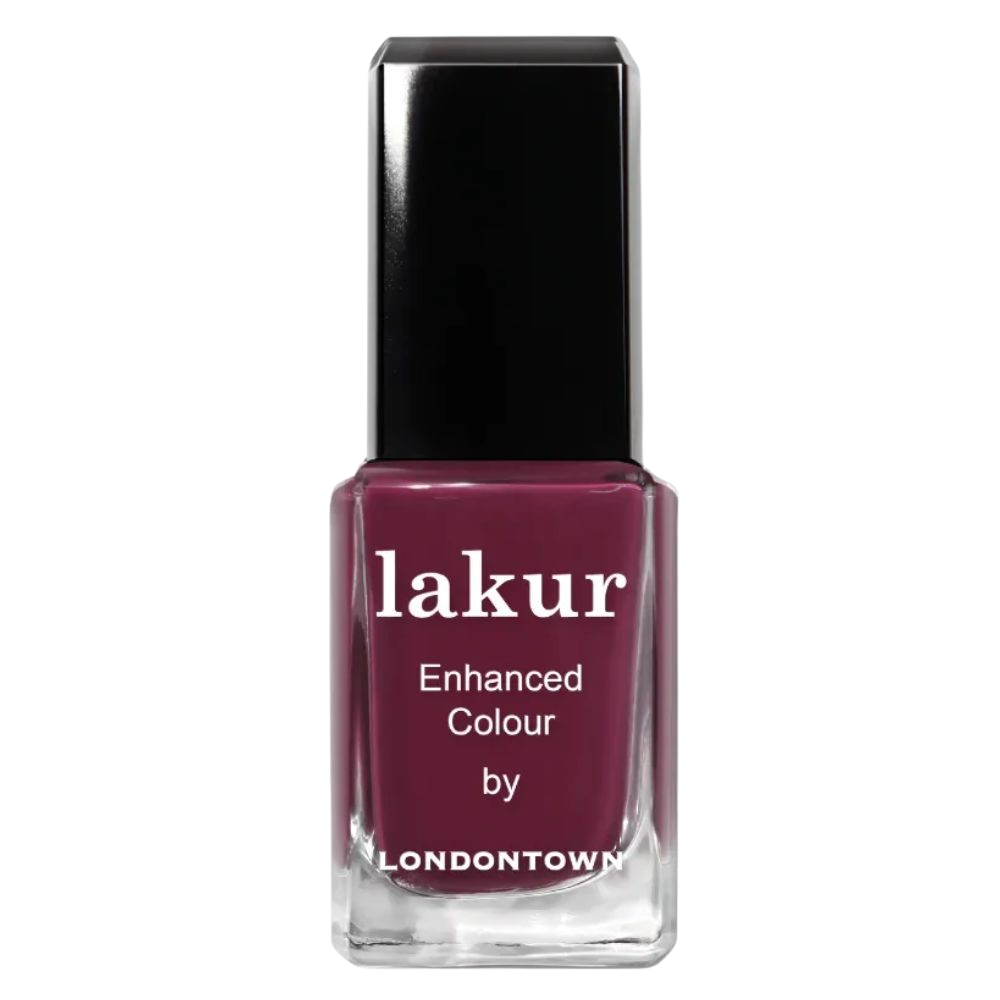
LondonTown Lakur Nail Polish 12mL Flirty & ThrivingA skin-care product. Gel-like wear and shine with a chip-resistant formula. Pro-Contour Brush for smooth, streak-free application. Infused with Florium Complex - a blend of botanical extracts and vitamins. Rapeseed Flower Oil: Strengthens and hydrates. Cucumber Extract: Rich in nutrients, boosts hydration.10,11 £*Shipping: 4,22 £Secure redirect to the provider
-
Playful Picks Montessori Magnetic Color Sorting Maze Board, Educational Wooden Bead Games For Kids numberMontessori Magnetic Color Sorting Games Maze is an engaging and educational activity that helps young children develop essential cognitive and motor skills while having fun. This wooden board game is designed with vibrant colors and exciting...24,97 $*Shipping: 0,00 $Secure redirect to the provider
-
Betsey Johnson Flirty Bows Reversible Pink Comforter SetBring the fun to bedtime with the Betsey Johnson flirty bows comforter set. Designed in a vibrant pink hue with an embossed bow pattern, this girly bedding set instantly transforms your bedroom into a playful, cozy retreat.53,89 $*Shipping: 0,00 $Secure redirect to the provider



-
What is the difference between competitive inhibition and allosteric inhibition?
Competitive inhibition occurs when a molecule competes with the substrate for the active site of an enzyme, effectively blocking the substrate from binding and inhibiting the enzyme's activity. In contrast, allosteric inhibition occurs when a molecule binds to a site on the enzyme other than the active site, causing a conformational change that reduces the enzyme's activity. While competitive inhibition directly competes with the substrate for the active site, allosteric inhibition involves binding to a different site on the enzyme to regulate its activity. **
-
Is allosteric inhibition irreversible?
Allosteric inhibition is typically reversible, meaning that the inhibitor can bind to the allosteric site and block the activity of the enzyme, but can also dissociate from the site, allowing the enzyme to regain its activity. This is in contrast to irreversible inhibition, where the inhibitor forms a covalent bond with the enzyme, permanently inactivating it. **
-
What is allosteric inhibition?
Allosteric inhibition is a type of enzyme regulation where a molecule binds to a site on the enzyme that is different from the active site, causing a conformational change in the enzyme's structure. This change reduces the enzyme's activity and ability to bind to its substrate, ultimately inhibiting its function. Allosteric inhibition is a reversible process and can be used to regulate enzyme activity in response to changing cellular conditions. **
-
Non-competitive inhibition, right?
Non-competitive inhibition is a type of enzyme inhibition where the inhibitor binds to a site on the enzyme that is not the active site. This binding causes a conformational change in the enzyme, making it less effective at catalyzing the reaction. Non-competitive inhibitors do not compete with the substrate for binding to the enzyme. Instead, they can bind to the enzyme-substrate complex or to a separate allosteric site on the enzyme. **


What is the difference between allosteric inhibition and competitive inhibition in biology?
Allosteric inhibition occurs when a molecule binds to an allosteric site on an enzyme, causing a conformational change that reduces the enzyme's activity. This type of inhibition is non-competitive and can affect multiple enzymes in a metabolic pathway. On the other hand, competitive inhibition occurs when a molecule competes with the substrate for the active site of the enzyme, effectively blocking the substrate from binding and reducing the enzyme's activity. Competitive inhibition can be overcome by increasing the concentration of the substrate, while allosteric inhibition cannot be overcome in the same way. **
What is the difference between non-competitive inhibition and allosteric inhibition in biochemistry?
Non-competitive inhibition occurs when an inhibitor binds to an enzyme at a site other than the active site, causing a conformational change in the enzyme that reduces its activity. This type of inhibition does not compete with the substrate for binding to the active site. On the other hand, allosteric inhibition occurs when an inhibitor binds to an allosteric site on the enzyme, causing a conformational change that reduces the enzyme's activity. Allosteric inhibition can be reversible or irreversible, and it can be overcome by increasing the concentration of the substrate. **
Top-Angebote
Products related to Inhibition:
-
Revolution Reloaded eyeshadow palette shade Provocative 15x1.1 gRevolution Reloaded, 15x1.1 g, Makeup Palettes for Women, Do you want to enhance your look, contour your eyes and accentuate their beauty? The Revolution Reloaded eye makeup palette opens up possibilities for creating a wide variety of eye looks. It contains not one but several pressed eyeshadows, which complement each other ideally and can therefore be combined perfectly to create various looks – from subtle daytime to bold evening makeup. Each shade provides even pigment coverage and is easy to apply, blend or mix with other shadows without creating unwanted harsh transitions. Characteristics: very intense pigmentation shades can be combined easily for day and evening makeup shimmering and matte effect How to use: Apply shadows to the eyelids with a brush, foam applicator or fingertips.6,20 £*Shipping: 3,99 £Secure redirect to the provider
-
From You Flowers Flowers - Passionate PeachesA delicious bouquet with hues of pink, peach, and white with pops of green. The Peach Cobbler bouquet features peach roses, pink carnations, pink alstroemeria, and white lisianthus with floral greens. A beautiful and soft arrangement that loved ones...39,99 $*Shipping: 14,99 $Secure redirect to the provider
-
LondonTown Lakur Nail Polish 12mL Flirty & ThrivingA skin-care product. Gel-like wear and shine with a chip-resistant formula. Pro-Contour Brush for smooth, streak-free application. Infused with Florium Complex - a blend of botanical extracts and vitamins. Rapeseed Flower Oil: Strengthens and hydrates. Cucumber Extract: Rich in nutrients, boosts hydration.10,11 £*Shipping: 4,22 £Secure redirect to the provider
-
What type of inhibition occurs through allosteric activation/inhibition?
Allosteric inhibition occurs when a molecule binds to an allosteric site on an enzyme, causing a conformational change that reduces the enzyme's activity. This type of inhibition is non-competitive, meaning it does not compete with the substrate for the active site. Allosteric activation, on the other hand, occurs when a molecule binds to an allosteric site and enhances the enzyme's activity. Both allosteric inhibition and activation involve the binding of a regulatory molecule to a site other than the active site of the enzyme, leading to a change in the enzyme's activity. **
-
Is allosteric inhibition the same as non-competitive inhibition?
Allosteric inhibition and non-competitive inhibition are not the same, although they are related. Non-competitive inhibition refers to the binding of an inhibitor to a site on the enzyme that is not the active site, thereby preventing the substrate from binding to the active site. Allosteric inhibition, on the other hand, occurs when an inhibitor binds to a site on the enzyme that is distinct from the active site, causing a conformational change in the enzyme that reduces its activity. While both types of inhibition involve the binding of an inhibitor to a site other than the active site, allosteric inhibition specifically involves a change in the enzyme's shape and activity. **
-
What is the difference between competitive inhibition and allosteric inhibition?
Competitive inhibition occurs when a molecule competes with the substrate for the active site of an enzyme, effectively blocking the substrate from binding and inhibiting the enzyme's activity. In contrast, allosteric inhibition occurs when a molecule binds to a site on the enzyme other than the active site, causing a conformational change that reduces the enzyme's activity. While competitive inhibition directly competes with the substrate for the active site, allosteric inhibition involves binding to a different site on the enzyme to regulate its activity. **
-
Is allosteric inhibition irreversible?
Allosteric inhibition is typically reversible, meaning that the inhibitor can bind to the allosteric site and block the activity of the enzyme, but can also dissociate from the site, allowing the enzyme to regain its activity. This is in contrast to irreversible inhibition, where the inhibitor forms a covalent bond with the enzyme, permanently inactivating it. **
Similar search terms for Inhibition
-
Playful Picks Montessori Magnetic Color Sorting Maze Board, Educational Wooden Bead Games For Kids numberMontessori Magnetic Color Sorting Games Maze is an engaging and educational activity that helps young children develop essential cognitive and motor skills while having fun. This wooden board game is designed with vibrant colors and exciting...24,97 $*Shipping: 0,00 $Secure redirect to the provider
-
Betsey Johnson Flirty Bows Reversible Pink Comforter SetBring the fun to bedtime with the Betsey Johnson flirty bows comforter set. Designed in a vibrant pink hue with an embossed bow pattern, this girly bedding set instantly transforms your bedroom into a playful, cozy retreat.53,89 $*Shipping: 0,00 $Secure redirect to the provider
-
Playful Picks Montessori Magnetic Color Sorting Maze Board, Educational Wooden Bead Games For Kids dinosaurMontessori Magnetic Color Sorting Games Maze is an engaging and educational activity that helps young children develop essential cognitive and motor skills while having fun. This wooden board game is designed with vibrant colors and exciting...24,97 $*Shipping: 0,00 $Secure redirect to the provider
-
Playful Picks Montessori Magnetic Color Sorting Maze Board, Educational Wooden Bead Games For Kids ice CreamMontessori Magnetic Color Sorting Games Maze is an engaging and educational activity that helps young children develop essential cognitive and motor skills while having fun. This wooden board game is designed with vibrant colors and exciting...24,97 $*Shipping: 0,00 $Secure redirect to the provider
-
What is allosteric inhibition?
Allosteric inhibition is a type of enzyme regulation where a molecule binds to a site on the enzyme that is different from the active site, causing a conformational change in the enzyme's structure. This change reduces the enzyme's activity and ability to bind to its substrate, ultimately inhibiting its function. Allosteric inhibition is a reversible process and can be used to regulate enzyme activity in response to changing cellular conditions. **
-
Non-competitive inhibition, right?
Non-competitive inhibition is a type of enzyme inhibition where the inhibitor binds to a site on the enzyme that is not the active site. This binding causes a conformational change in the enzyme, making it less effective at catalyzing the reaction. Non-competitive inhibitors do not compete with the substrate for binding to the enzyme. Instead, they can bind to the enzyme-substrate complex or to a separate allosteric site on the enzyme. **
-
What is the difference between allosteric inhibition and competitive inhibition in biology?
Allosteric inhibition occurs when a molecule binds to an allosteric site on an enzyme, causing a conformational change that reduces the enzyme's activity. This type of inhibition is non-competitive and can affect multiple enzymes in a metabolic pathway. On the other hand, competitive inhibition occurs when a molecule competes with the substrate for the active site of the enzyme, effectively blocking the substrate from binding and reducing the enzyme's activity. Competitive inhibition can be overcome by increasing the concentration of the substrate, while allosteric inhibition cannot be overcome in the same way. **
-
What is the difference between non-competitive inhibition and allosteric inhibition in biochemistry?
Non-competitive inhibition occurs when an inhibitor binds to an enzyme at a site other than the active site, causing a conformational change in the enzyme that reduces its activity. This type of inhibition does not compete with the substrate for binding to the active site. On the other hand, allosteric inhibition occurs when an inhibitor binds to an allosteric site on the enzyme, causing a conformational change that reduces the enzyme's activity. Allosteric inhibition can be reversible or irreversible, and it can be overcome by increasing the concentration of the substrate. **
* All prices are inclusive of VAT and, if applicable, plus shipping costs. The offer information is based on the details provided by the respective shop and is updated through automated processes. Real-time updates do not occur, so deviations can occur in individual cases. ** Note: Parts of this content were created by AI.