Buy sexy-games.eu ?
We are moving the project
sexy-games.eu .
Are you interested in purchasing the domain
sexy-games.eu ?
domain@kv-gmbh.de · 0541-91531010
Buy sexy-games.eu ?
Don't you like dialects?
I do not have personal preferences or feelings, as I am an artificial intelligence. However, I can appreciate the diversity and richness that dialects bring to language. Dialects often reflect the unique cultural and regional identities of communities, adding depth and variety to communication. Embracing dialects can also help foster understanding and appreciation for different ways of speaking. **
What are Albanian dialects?
Albanian dialects are regional varieties of the Albanian language spoken in different parts of Albania, Kosovo, North Macedonia, and other Albanian-speaking regions. These dialects can vary in terms of vocabulary, pronunciation, and grammar, but they are all mutually intelligible. The two main dialect groups are Gheg, spoken in the north, and Tosk, spoken in the south, with the standard Albanian language based on the Tosk dialect. **


Similar search terms for Dialects
Top-Angebote
Products related to Dialects:
-
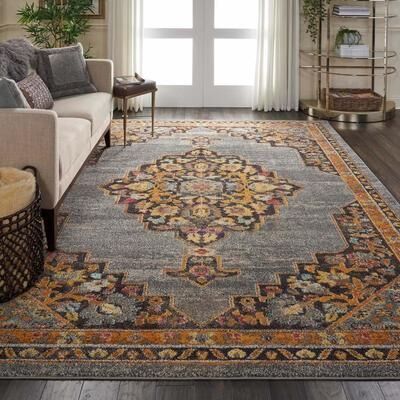
Nourison Passionate Persian Vintage Medallion Area RugBotanical corner and medallion patterns in a plush, distressed pile create a wonderful combination of Old World elegance and contemporary comfort in the Passionate Collection of area rugs from Nourison.170,97 $*Shipping: 0,00 $Secure redirect to the provider
-
LondonTown Lakur Nail Polish 12mL Flirty & ThrivingA skin-care product. Gel-like wear and shine with a chip-resistant formula. Pro-Contour Brush for smooth, streak-free application. Infused with Florium Complex - a blend of botanical extracts and vitamins. Rapeseed Flower Oil: Strengthens and hydrates. Cucumber Extract: Rich in nutrients, boosts hydration.10,11 £*Shipping: 4,22 £Secure redirect to the provider
-
Playful Picks Montessori Magnetic Color Sorting Maze Board, Educational Wooden Bead Games For Kids numberMontessori Magnetic Color Sorting Games Maze is an engaging and educational activity that helps young children develop essential cognitive and motor skills while having fun. This wooden board game is designed with vibrant colors and exciting...24,97 $*Shipping: 0,00 $Secure redirect to the provider
-
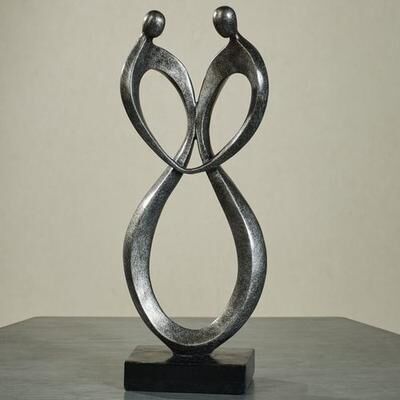
Touch of Class Passionate Dance Sculpture Silver , SilverWild and intense or slow and steady, a couple's life together can certainly be a Passionate Dance. With an abstract looped design, the silver resin sculpture resembles two people locked together atop a square base. Overall, the sculpture measures 6...79,00 $*Shipping: 15,95 $Secure redirect to the provider


-
What are Bavarian dialects?
Bavarian dialects are a group of Upper German dialects spoken in the Bavaria region of Germany, as well as in parts of Austria and South Tyrol. These dialects are characterized by their distinct pronunciation, vocabulary, and grammar, which set them apart from standard German. Bavarian dialects are an important part of the cultural identity of the region and are still spoken by many people, particularly in rural areas. They are also used in literature, music, and theater, contributing to the rich cultural heritage of Bavaria. **
-
What are German dialects?
German dialects are regional variations of the German language that differ in pronunciation, vocabulary, and grammar. These dialects are spoken in different regions of Germany, as well as in neighboring countries such as Austria and Switzerland. Some dialects are so distinct that they are almost unintelligible to speakers of standard German. Despite efforts to promote standard German as the official language, many people still use and take pride in speaking their local dialects. **
-
How do dialects originate?
Dialects originate from the natural evolution of language within a specific geographical or social community. As people interact and communicate within their community, they develop unique pronunciations, vocabulary, and grammar patterns that distinguish their speech from others. Over time, these linguistic differences become more pronounced and form distinct dialects. Factors such as isolation, migration, and historical events can also contribute to the development of dialects. **
-
Why are dialects being eradicated?
Dialects are being eradicated due to various factors such as globalization, urbanization, and the spread of mass media. As people move to urban areas and interact with a more diverse population, there is a tendency for dialects to be replaced by a more standardized form of language. Additionally, the influence of mass media, particularly through television and the internet, can lead to the homogenization of language as people are exposed to a more uniform way of speaking. Overall, the decline of dialects can be seen as a result of societal changes that prioritize communication and understanding across different regions. **


Does God not understand dialects?
God is often believed to be all-knowing and all-powerful, so it is commonly thought that God would understand all dialects and languages. However, the concept of God's understanding of dialects may vary depending on different religious beliefs and interpretations. Some may argue that God's understanding transcends language barriers, while others may believe that God communicates in a specific language or dialect. Ultimately, the understanding of God's comprehension of dialects is a matter of personal faith and interpretation. **
How can one study dialects?
One can study dialects through various methods such as conducting fieldwork in specific regions to collect data on language usage, interviewing native speakers to understand their linguistic patterns, and analyzing written texts or recordings to identify distinct dialectal features. Additionally, studying the historical and social context of a region can provide insight into the development and evolution of its dialect. Utilizing linguistic tools and software can also aid in analyzing phonological, morphological, and syntactic differences between dialects. Overall, a comprehensive study of dialects involves a combination of empirical research, data collection, and linguistic analysis. **
Top-Angebote
Products related to Dialects:
-
From You Flowers Flowers - Passionate PeachesA delicious bouquet with hues of pink, peach, and white with pops of green. The Peach Cobbler bouquet features peach roses, pink carnations, pink alstroemeria, and white lisianthus with floral greens. A beautiful and soft arrangement that loved ones...39,99 $*Shipping: 14,99 $Secure redirect to the provider
-
Nourison Passionate Persian Vintage Medallion Area RugBotanical corner and medallion patterns in a plush, distressed pile create a wonderful combination of Old World elegance and contemporary comfort in the Passionate Collection of area rugs from Nourison.170,97 $*Shipping: 0,00 $Secure redirect to the provider
-
LondonTown Lakur Nail Polish 12mL Flirty & ThrivingA skin-care product. Gel-like wear and shine with a chip-resistant formula. Pro-Contour Brush for smooth, streak-free application. Infused with Florium Complex - a blend of botanical extracts and vitamins. Rapeseed Flower Oil: Strengthens and hydrates. Cucumber Extract: Rich in nutrients, boosts hydration.10,11 £*Shipping: 4,22 £Secure redirect to the provider
-
Don't you like dialects?
I do not have personal preferences or feelings, as I am an artificial intelligence. However, I can appreciate the diversity and richness that dialects bring to language. Dialects often reflect the unique cultural and regional identities of communities, adding depth and variety to communication. Embracing dialects can also help foster understanding and appreciation for different ways of speaking. **
-
What are Albanian dialects?
Albanian dialects are regional varieties of the Albanian language spoken in different parts of Albania, Kosovo, North Macedonia, and other Albanian-speaking regions. These dialects can vary in terms of vocabulary, pronunciation, and grammar, but they are all mutually intelligible. The two main dialect groups are Gheg, spoken in the north, and Tosk, spoken in the south, with the standard Albanian language based on the Tosk dialect. **
-
What are Bavarian dialects?
Bavarian dialects are a group of Upper German dialects spoken in the Bavaria region of Germany, as well as in parts of Austria and South Tyrol. These dialects are characterized by their distinct pronunciation, vocabulary, and grammar, which set them apart from standard German. Bavarian dialects are an important part of the cultural identity of the region and are still spoken by many people, particularly in rural areas. They are also used in literature, music, and theater, contributing to the rich cultural heritage of Bavaria. **
-
What are German dialects?
German dialects are regional variations of the German language that differ in pronunciation, vocabulary, and grammar. These dialects are spoken in different regions of Germany, as well as in neighboring countries such as Austria and Switzerland. Some dialects are so distinct that they are almost unintelligible to speakers of standard German. Despite efforts to promote standard German as the official language, many people still use and take pride in speaking their local dialects. **
Similar search terms for Dialects
-
Playful Picks Montessori Magnetic Color Sorting Maze Board, Educational Wooden Bead Games For Kids numberMontessori Magnetic Color Sorting Games Maze is an engaging and educational activity that helps young children develop essential cognitive and motor skills while having fun. This wooden board game is designed with vibrant colors and exciting...24,97 $*Shipping: 0,00 $Secure redirect to the provider
-
Touch of Class Passionate Dance Sculpture Silver , SilverWild and intense or slow and steady, a couple's life together can certainly be a Passionate Dance. With an abstract looped design, the silver resin sculpture resembles two people locked together atop a square base. Overall, the sculpture measures 6...79,00 $*Shipping: 15,95 $Secure redirect to the provider
-
Playful Picks Montessori Magnetic Color Sorting Maze Board, Educational Wooden Bead Games For Kids dinosaurMontessori Magnetic Color Sorting Games Maze is an engaging and educational activity that helps young children develop essential cognitive and motor skills while having fun. This wooden board game is designed with vibrant colors and exciting...24,97 $*Shipping: 0,00 $Secure redirect to the provider
-
How do dialects originate?
Dialects originate from the natural evolution of language within a specific geographical or social community. As people interact and communicate within their community, they develop unique pronunciations, vocabulary, and grammar patterns that distinguish their speech from others. Over time, these linguistic differences become more pronounced and form distinct dialects. Factors such as isolation, migration, and historical events can also contribute to the development of dialects. **
-
Why are dialects being eradicated?
Dialects are being eradicated due to various factors such as globalization, urbanization, and the spread of mass media. As people move to urban areas and interact with a more diverse population, there is a tendency for dialects to be replaced by a more standardized form of language. Additionally, the influence of mass media, particularly through television and the internet, can lead to the homogenization of language as people are exposed to a more uniform way of speaking. Overall, the decline of dialects can be seen as a result of societal changes that prioritize communication and understanding across different regions. **
-
Does God not understand dialects?
God is often believed to be all-knowing and all-powerful, so it is commonly thought that God would understand all dialects and languages. However, the concept of God's understanding of dialects may vary depending on different religious beliefs and interpretations. Some may argue that God's understanding transcends language barriers, while others may believe that God communicates in a specific language or dialect. Ultimately, the understanding of God's comprehension of dialects is a matter of personal faith and interpretation. **
-
How can one study dialects?
One can study dialects through various methods such as conducting fieldwork in specific regions to collect data on language usage, interviewing native speakers to understand their linguistic patterns, and analyzing written texts or recordings to identify distinct dialectal features. Additionally, studying the historical and social context of a region can provide insight into the development and evolution of its dialect. Utilizing linguistic tools and software can also aid in analyzing phonological, morphological, and syntactic differences between dialects. Overall, a comprehensive study of dialects involves a combination of empirical research, data collection, and linguistic analysis. **
* All prices are inclusive of VAT and, if applicable, plus shipping costs. The offer information is based on the details provided by the respective shop and is updated through automated processes. Real-time updates do not occur, so deviations can occur in individual cases. ** Note: Parts of this content were created by AI.